
EPDM Membrane Waterproofing
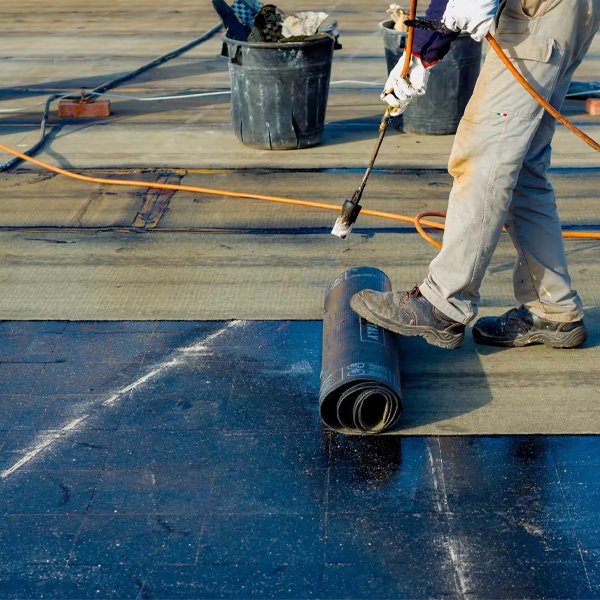
EPDM (Ethylene Propylene Diene Monomer) Membrane Waterproofing is a high-performance synthetic rubber waterproofing system known for its exceptional flexibility, weather resistance, and long service life.
The EPDM membrane forms a seamless and elastic barrier that effectively prevents water penetration, even under extreme temperature variations. Due to its superior UV resistance and durability, EPDM is widely used in roofs, terrace gardens, ponds, and exposed waterproofing applications where long-term performance is critical.
EPDM Membrane Waterproofing
Fully Adhered EPDM System
In this method, the EPDM membrane is fully bonded to the substrate using specialized EPDM-compatible adhesives. It provides excellent wind resistance and a clean finish, making it ideal for terraces, roofs, and exposed waterproofing areas.
Mechanically Fastened EPDM System
The membrane is secured to the surface using mechanical fasteners and plates, typically at seams or edges. This method is cost-effective and suitable for large roof areas where structural movement is expected.
Ballasted EPDM System
EPDM sheets are laid loosely over the surface and held in place using gravel, concrete pavers, or soil. This system is commonly used in flat roofs and terrace gardens where additional weight is acceptable.
Seam Taping & Heat Welding
EPDM membrane joints are sealed using factory-made seam tapes, primers, or controlled heat welding to ensure watertight seams and long-term performance.